Nalgene Bottle Research
Project Overview
Goal:
Create a new water bottle with an innovative shape*, to acquire a new customer segment for Nalgene
Understand reusable water bottle use, habits, and preferences
I was the lead researcher, and worked closely with our industrial designer Emily Pearce.
*Details have been changed
We conducted multiple rounds of research and design, including competitive testing, a survey, design iterations, and prototype testing
Competitive Testing
Research questions:
What were reusable water bottle users' habits and preferences?
What design features make up the ideal water bottle?
Methodology:
10 in-person, moderated, one/one sessions
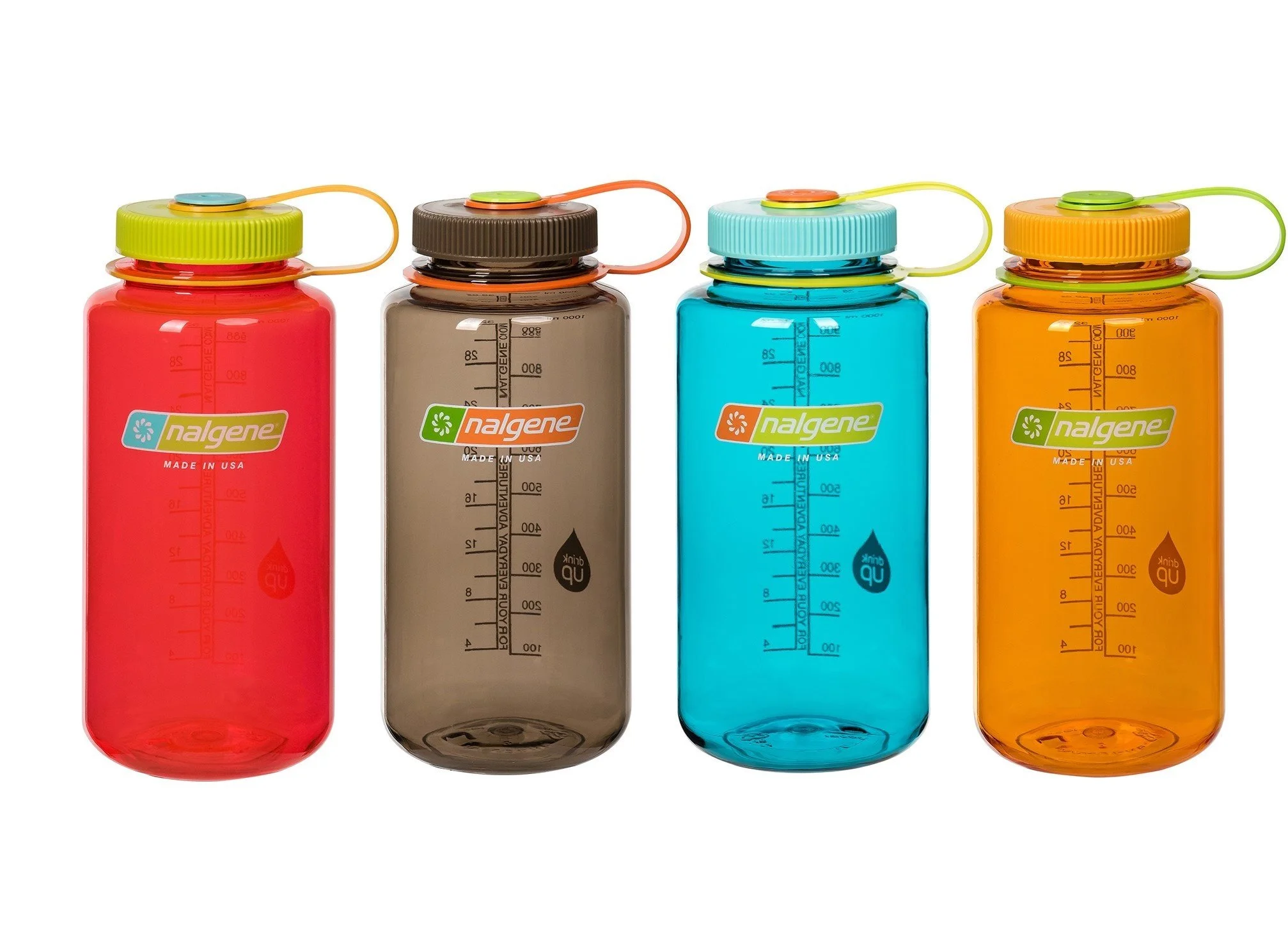
Participants were shown 7 bottles by different brands, with different key features (e.g. material, mouth section, shape, etc.)
They gave feedback on each feature, chose their favorite, and discussed current bottle usage
Key findings:
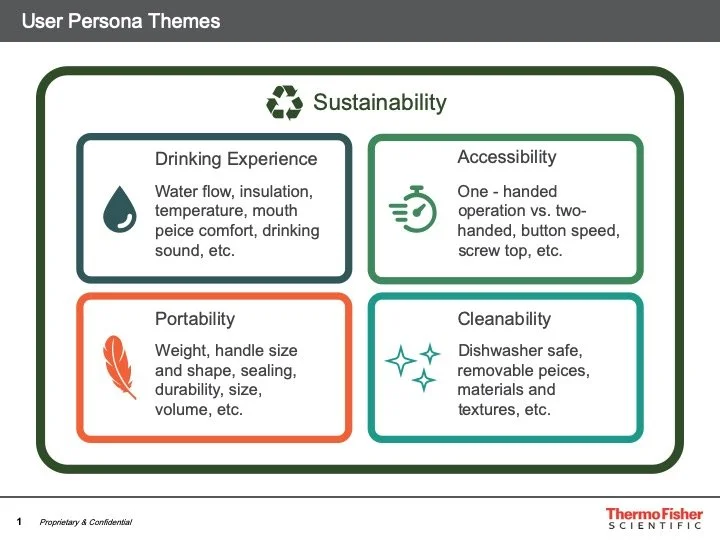
The most important features to users were:
Drinking experience
Accessibility
Easy to clean
Portability
Look and design
Survey
Goals:
Gather quantitative data on people's water bottle use, habits, and preferences
Determine priorities among bottle features, to inform design decisions
Methodology:
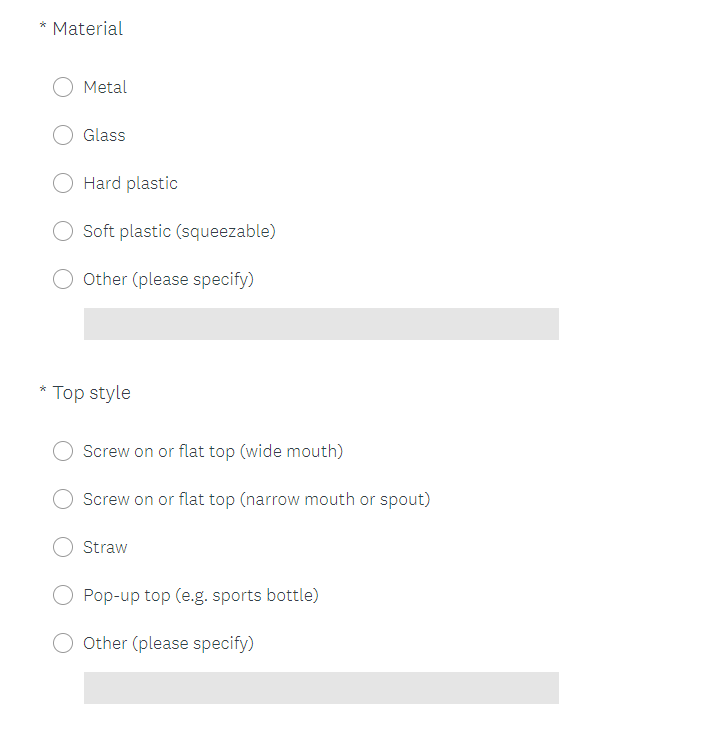
I designed a survey, with questions similar to the qualitative testing:
Participants were asked about bottle ownership, use, ideal features, and color preferences
They were asked to rank bottle features by importance
The survey was created and recruited with SurveyMonkey
161 participants responded; all owned a reusable water bottle
Persona Creation
I collaborated with my team to create personas, based on the research results and use cases such as:
"I need to open my bottle one-handed when I'm on the subway"
"I like having cold water on long hikes"
Each persona was focused around one key bottle feature.
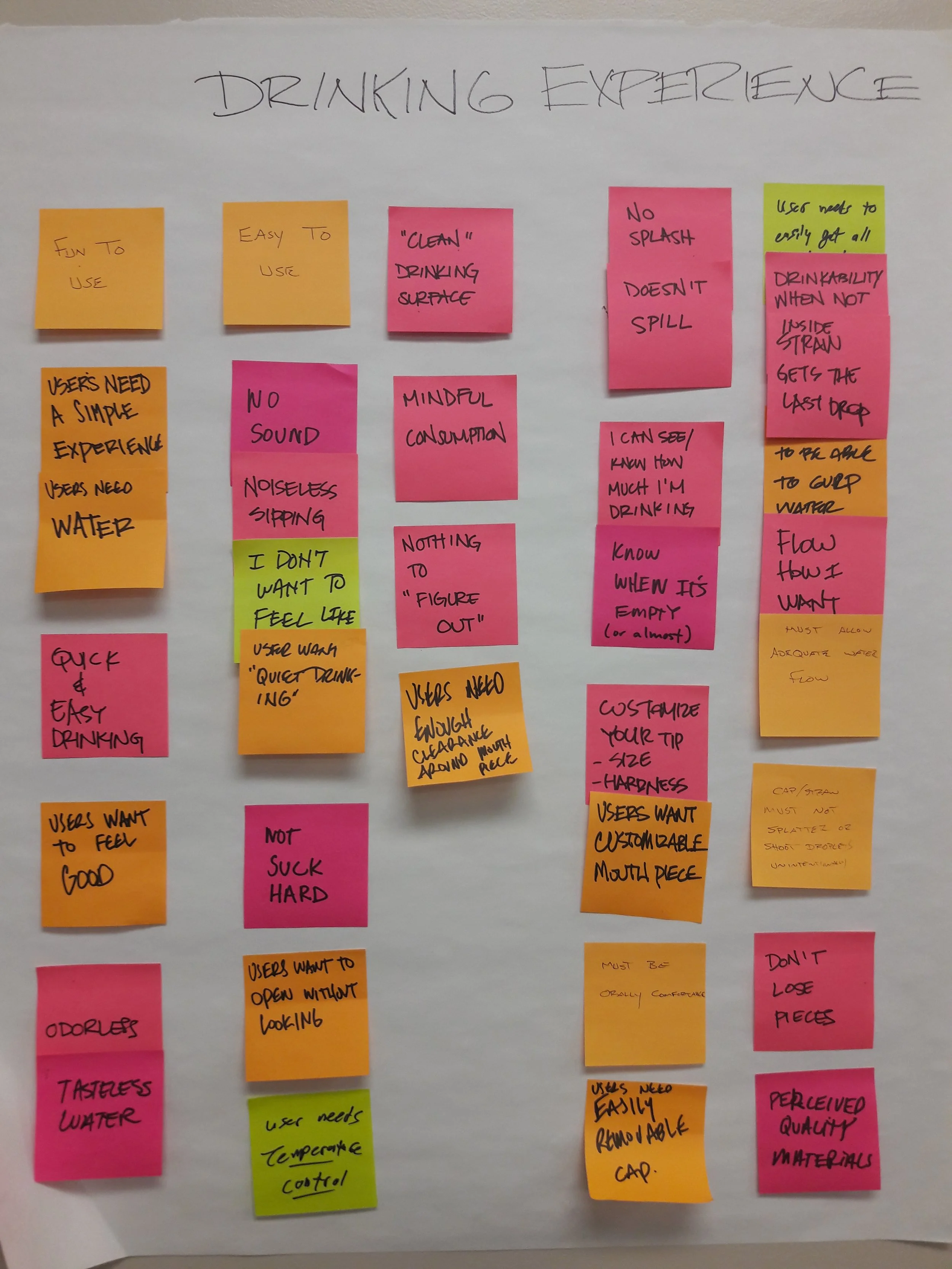
Design Workshop
I planned and facilitated a design workshop with our business stakeholders and designers
Goals/agenda:
Teach design thinking to the stakeholders, and allow the business to participate in our process
Review research findings and personas
Brainstorm design concepts
Align on business objectives, next steps, and timeline
Concept Testing- Round 1 (Qualitative)
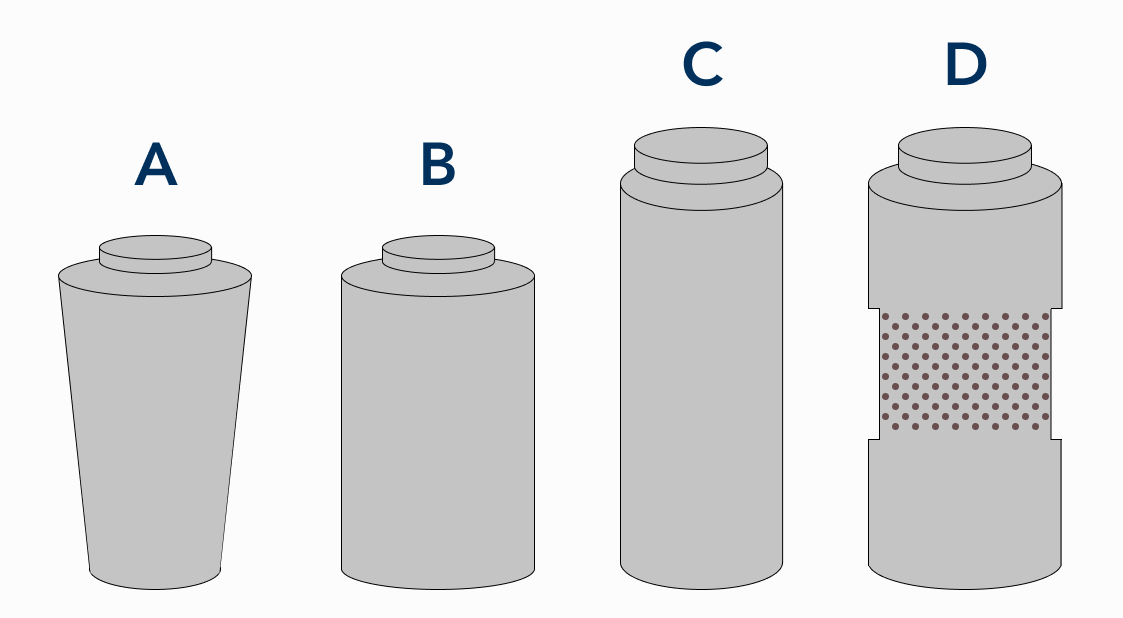
Our industrial designer created 4 concepts with different focuses, based on our research findings and personas.
Concepts A and B: Portability and cleanability
Concepts C and D: Accessibility (easier to grab)
Test goals:
Gather feedback on the 4 prototypes
Continue to understand users' preferences, likes, and dislikes around bottle features
Methodology:
9 in-person, one on one sessions
Participants gave feedback on the prototypes and specific features
Key findings and recommendations:
There was no clear "winner" among the prototypes, but the feedback for each bottle was consistent
For example, most users who chose bottle A liked that it was simple, durable, and easy to clean
Concept Testing- Round 2 (Quantitative)
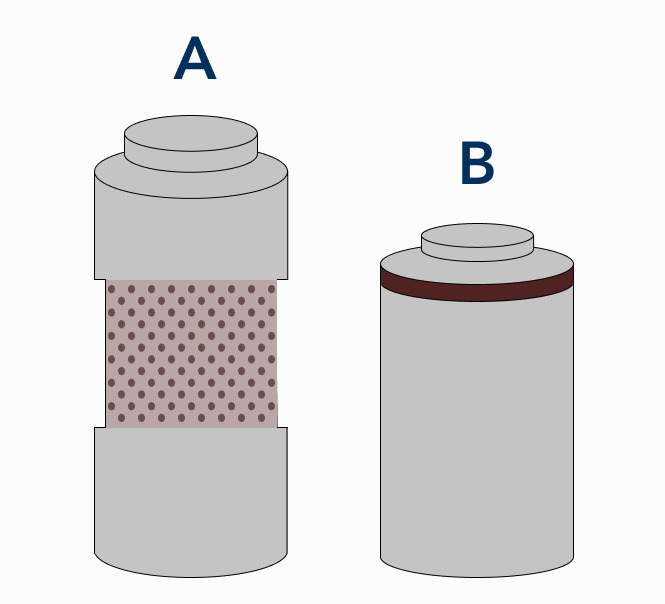
Based on feedback from qualitative testing, our designer created two refined, final concepts.
Again, each was focused on a specific feature:
Concept A: Accessibility
Concept B: Portability
Goal:
Gather quantitative, high volume data to determine which design option to pursue
Methodology:
We ran two testing sessions:
We scheduled 47 pre-recruited sessions at a testing facility
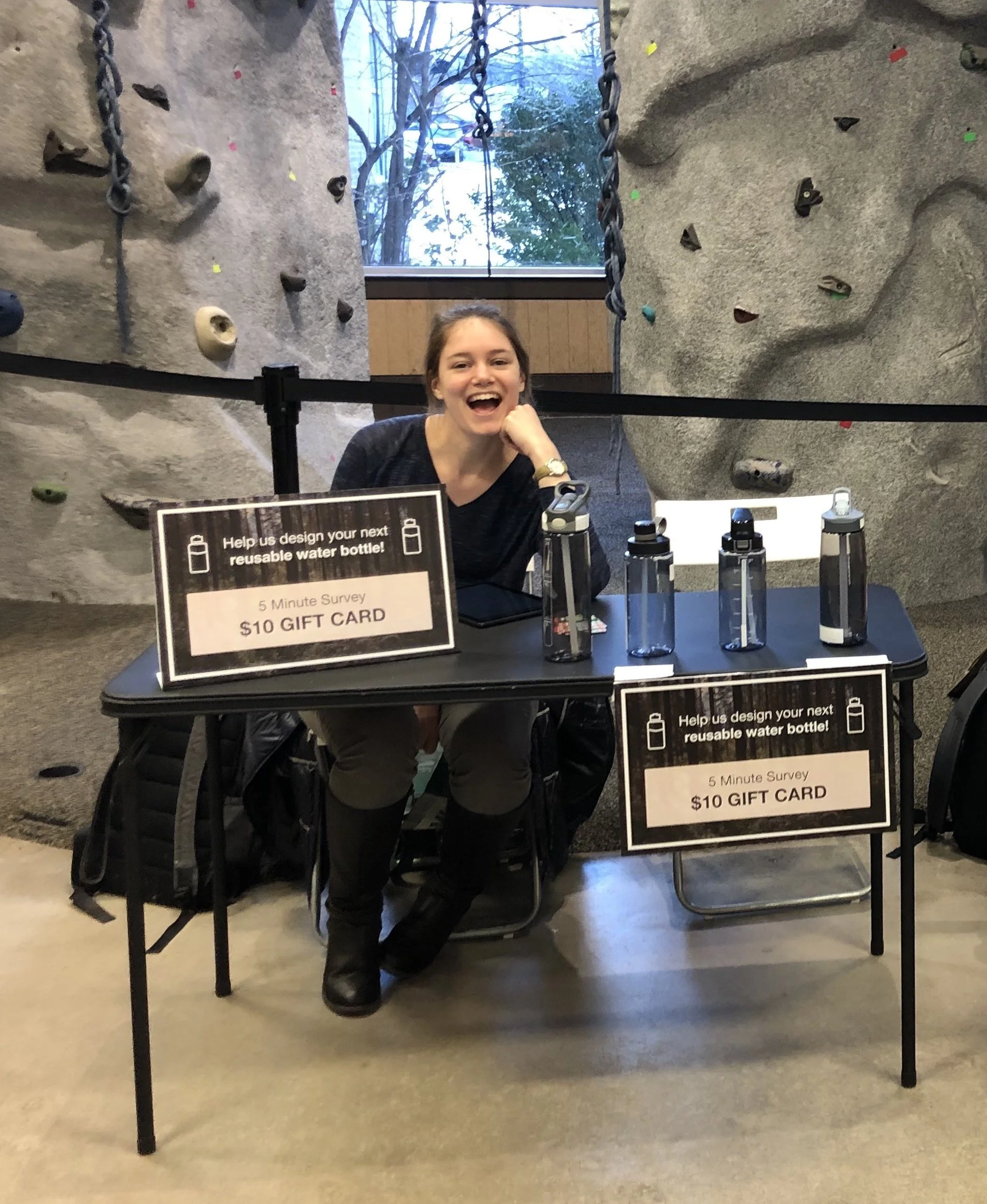
We ran intercept-style testing at a local outdoors store, and recruited 44 participants
In each 15 minute session, participants were shown our 2 final concepts as working prototypes, along with 2 competitor bottles
They chose their favorite bottle, and again gave feedback on features
Key findings and recommendations:
We measured which bottle was the most popular overall, and which of the 2 prototypes was most popular
We also compared results across location (facility vs. store), to ensure there was no bias based on different types of users
Again, there was no clear "winner" by sheer numbers, but reasoning was consistent for each bottle
After discussing the results with our stakeholders, we chose one of the designs, with some small modifications
Final Designs
Unfortunately, as of 2025 the business has not decided to produce the bottle.
However, we created a final design which is ready for production, and were able to get a patent for one of the features! We're hopeful they will consider releasing it in the future.